
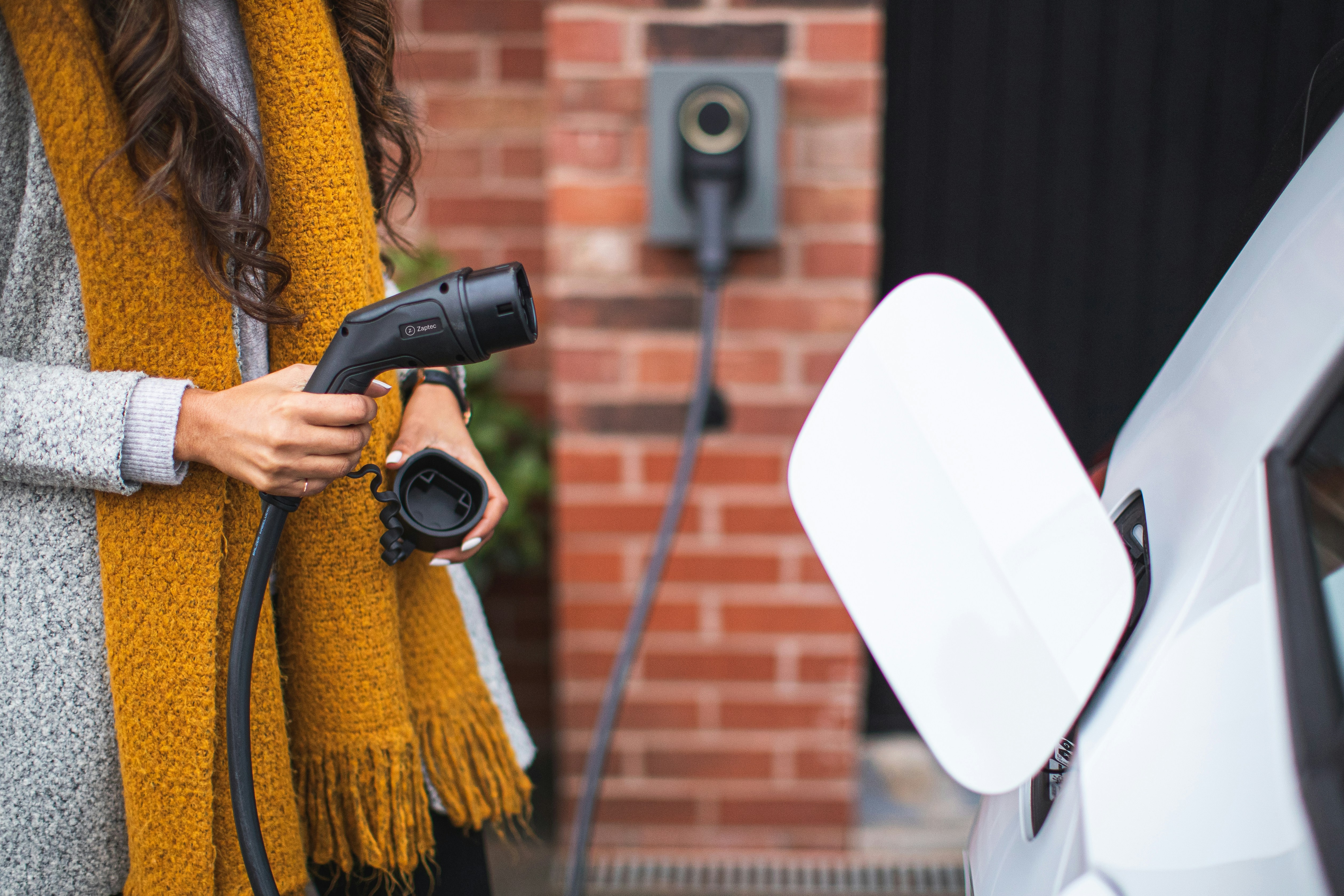
EV Charger Installation
Level 2 home and commercial EV charger installation — panel assessment, dedicated circuit, and charger setup
What's Included
- Level 2 (240V) charger installation
- Panel capacity assessment & upgrade
- Dedicated circuit wiring
- All major charger brands supported
- Technical Safety BC permits included
- CleanBC rebate guidance
Serving Greater Vancouver
We complete ev charger installation projects across Richmond, Vancouver, Burnaby, Surrey, Coquitlam, North Vancouver, West Vancouver, and surrounding municipalities. All projects include permit handling, Technical Safety BC inspections, and WorkSafeBC compliance.
Get a Free Quote
Tell us about your project — we'll respond within one business day.
EV Charger Installation — frequently asked questions
How much does a Level 2 EV charger install cost in Vancouver? +
In a home with adequate panel capacity: typically $1,200–$1,800 before the BC Hydro rebate. With a panel upgrade required: $3,000–$8,000 combined. Variables: run length, drilling, panel work, mast change.
Do I need a panel upgrade to install an EV charger? +
Sometimes. Modern 200A homes with capacity usually do not. Older 60A and 100A homes — especially with electric heat, range, dryer, AC, or hot tub — often do. We do a Canadian Electrical Code load calculation to confirm before quoting.
Can I claim the BC Hydro EV charger rebate through Line In Electric? +
Yes. $350 single-family rebate for a Level 2 charger plus $200 for an eligible load-management device. We provide the permit number, install documentation, and rebate paperwork at job close. Typical rebate timeline: 4–8 weeks.
How long does an EV charger install take? +
Half-day for a straightforward charger-only install in a home with capacity. One full day plus BC Hydro disconnect/reconnect window if a panel upgrade is part of the scope.
Which Level 2 charger should I buy? +
For most homes: Tesla Wall Connector (Tesla owners), ChargePoint Home Flex, Wallbox Pulsar Plus, Grizzl-E, JuiceBox, or Zaptec. The right choice depends on your vehicle, whether you want load-management features, and your panel capacity. We can advise before you buy.
Do you install chargers I bought myself? +
Yes. Most of our installs are customer-supplied chargers. We supply if you want us to — usually we can match online pricing through our suppliers — but bringing your own is fine.
What size circuit do I need? +
Most Level 2 chargers run on a 40A or 50A 240V circuit, charging at 7.7–11.5 kW. The exact breaker size depends on the charger model and the manufacturer-specified continuous current rating.
Can you install an EV charger in a strata or townhouse? +
Yes. Strata installs need council approval and often a discussion about metering (sub-meter on your unit panel vs. shared common-property meter). We have done both and can supply documentation for the strata council.
Do you install chargers in detached garages and workshops? +
Yes. Detached buildings often need a sub-panel run from the main house, which adds trenching or aerial-run cost. We assess feed sizing and run length on site.
Will my home insurance need to know about the EV charger? +
Most BC insurers want to know about a permitted EV charger install for record-keeping but it does not typically affect rates. The closed Technical Safety BC permit is the document your insurer wants.
How long does the BC Hydro service inspection take? +
For charger-only installs, the Technical Safety BC inspection is usually scheduled within 1–2 weeks of work completion. For service upgrades that involve BC Hydro disconnect/reconnect, scheduling is typically 2–4 weeks out.
Can you install two EV chargers for two cars? +
Yes. Two ways: two dedicated circuits (full charging speed both, more panel load), or load-management chargers that share one circuit (half speed when both plugged in, less panel load required). We size based on your panel capacity.
What's the difference between Tesla Wall Connector and a J1772 charger? +
Tesla Wall Connector uses Tesla's NACS connector — native for Tesla vehicles, adapter required for non-Tesla. A J1772 charger (most other brands) is the standard for non-Tesla EVs in North America. From 2025 onward many automakers are switching to NACS native.
Can you install a Tesla Wall Connector for a non-Tesla vehicle? +
Yes — the Wall Connector's newer Universal version supports both NACS and J1772, and the original NACS-only version works with non-Tesla vehicles via an inexpensive adapter. We can advise based on your vehicle.
Will the EV charger affect my home electricity bill? +
Yes. Typical home charging adds 200–400 kWh/month per car depending on driving distance. At BC Hydro residential rates that is roughly $25–$55/month — far less than gasoline. Time-of-use rates and EV-specific BC Hydro rate plans can reduce this further.